
Cleric Urges Muslims to Embrace Health Benefits of Fasting Beyond Ramadan Duty
At a Ramadan lecture in Abeokuta, Sheikh Abdulfatai Raji As-Thaqofy said fasting should be valued for spiritual discipline and health benefits, while other speakers stressed integrity during economic hardship.
NewsTweetNaija Team
•3 min read•389 views
NCN Sets 30-Day Plan to Build Nutrition Funding Framework
Audio Reader
Not supported in this browser
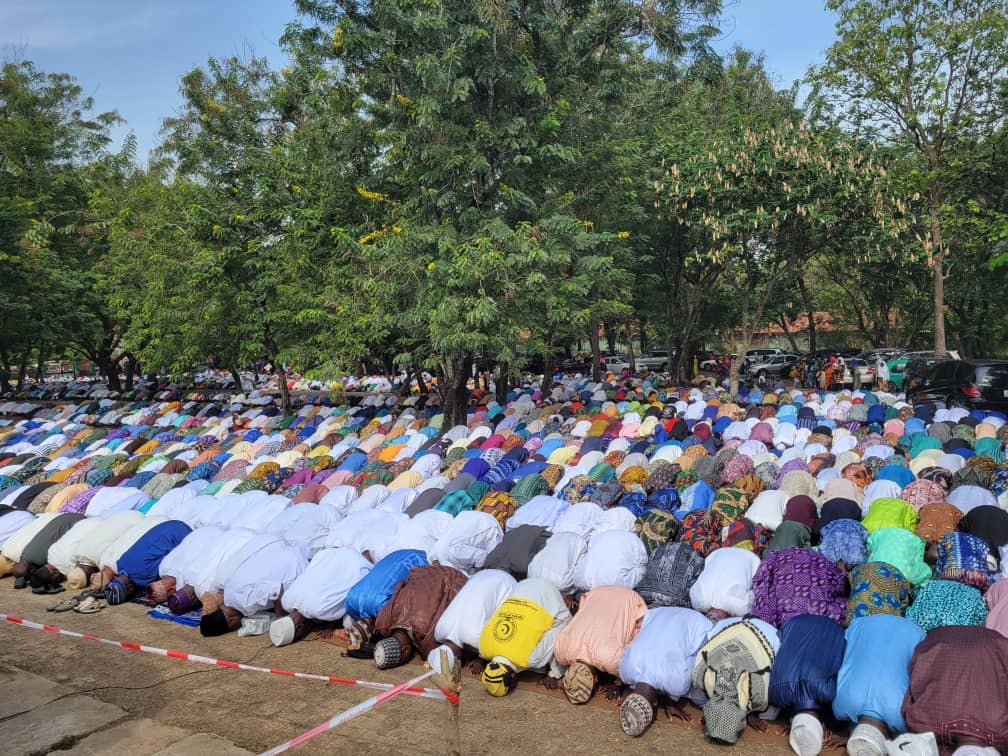
An Islamic scholar, Sheikh Abdulfatai Raji As-Thaqofy, has asked Muslim faithful to see fasting as both a religious duty and a health-supporting practice, especially during Ramadan.
He spoke on Tuesday at the 2026 Ramadan Lecture organised by the Ogun State chapter of the Freelance and Independent Broadcasters Association of Nigeria (FIBAN) in Abeokuta.
The event, themed “Fasting Beyond Hunger: Sustaining Hope and Integrity in an Era of Economic Inflation,” focused on spiritual discipline, personal ethics and social conduct in difficult economic conditions.
In his presentation titled “Benefits of Fasting,” As-Thaqofy said fasting should not be reduced to abstaining from food and drink alone. He said the practice carries wider lessons on restraint, discipline and wellbeing.
According to him, many people treat fasting mainly as an act of obedience during Ramadan, but the same discipline also has practical value for physical health and recovery. He said medical practitioners sometimes recommend controlled fasting for patients dealing with specific conditions.
The cleric said scientific findings have continued to support several health benefits linked to fasting when it is done responsibly. He therefore urged Muslims to make full use of the period and approach it with understanding, not routine.
He reminded participants that fasting is one of the pillars of Islam and said Muslims should treat it as an opportunity for spiritual growth, character building and improved self-control.
Also speaking, chairman of the occasion and Asiwaju Adinni and Amir Hajj of Ogun State, Alhaji Samsudeen Apelogun, called on media professionals and the wider public to uphold integrity and compassion despite inflationary pressure.
Represented by Imam Mikhail Adesanya, the Eketa Adinni of Remo Kingdom, Apelogun said integrity remains a person’s most valuable capital in times of hardship.
He added that Ramadan fasting is intended to produce Taqwa, which he described as piety and moral consciousness. Quoting Qur’an 2:183, he said fasting was prescribed to develop righteousness and self-restraint.
He noted that in a period marked by economic stress, fasting can teach resilience, empathy and social responsibility, particularly toward vulnerable people.
Citing a Hadith of Prophet Muhammad recorded in Sahih Bukhari, he said fasting is incomplete when it is separated from truthful speech and ethical conduct.
He warned against falsehood, dishonesty and other harmful practices, saying moral discipline is most needed when households and businesses are under pressure.
Speakers at the lecture agreed that Ramadan should shape behaviour beyond the month itself, with stronger honesty, patience and care for others reflected in daily life.
Share this story
Source: This article was originally published by Daily Post Nigeria. All rights reserved to the original publisher.
Related Stories
NCN Sets 30-Day Plan to Build Nutrition Funding Framework
The National Council on Nutrition has set up a financing subcommittee, chaired by Health Minister Muhammad Ali Pate, to deliver a 30-day roadmap on how to fund and track nutrition interventions nationwide.
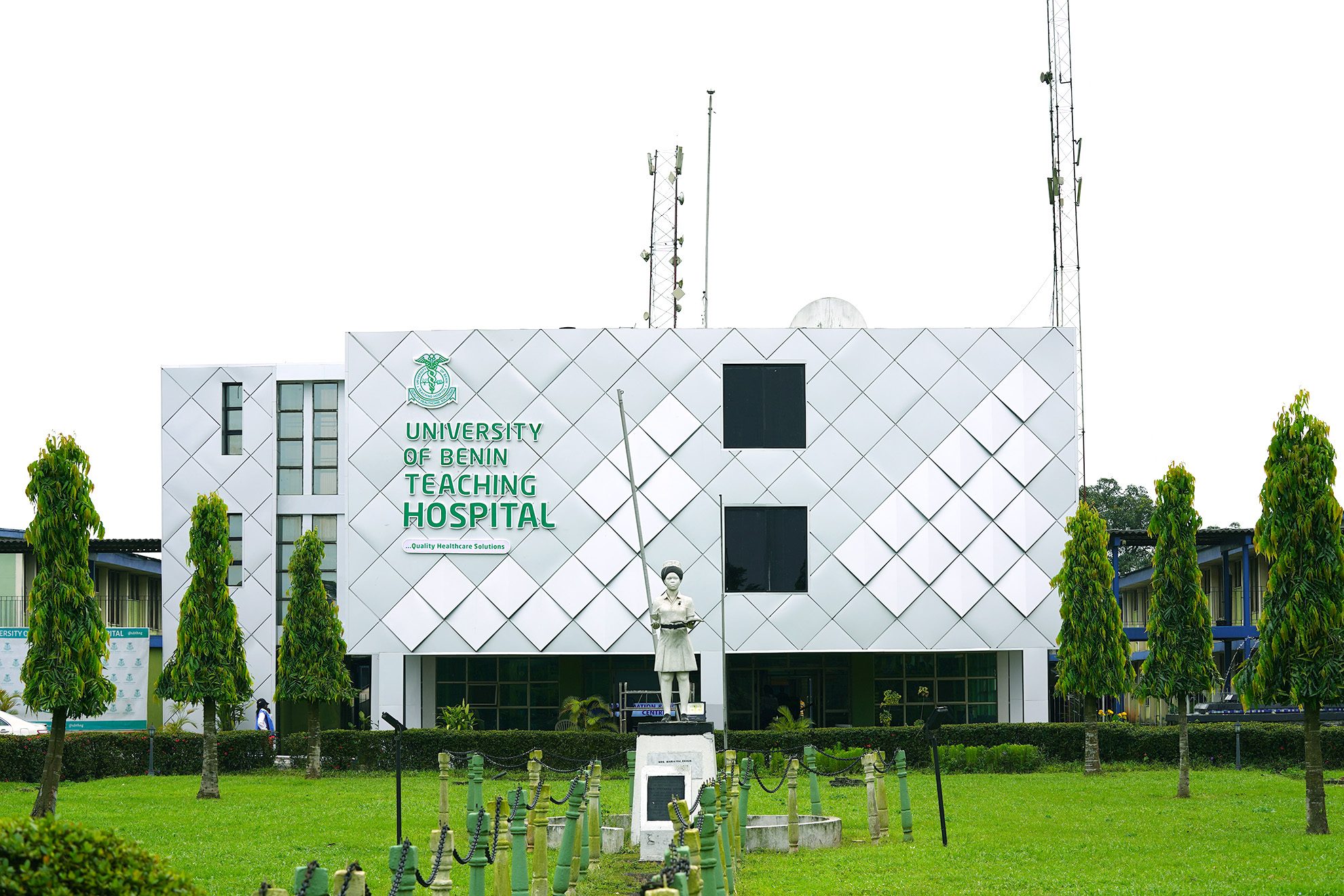
UBTH Gives Six-Week Notice Over 462 Unclaimed Bodies in Benin Mortuary
The University of Benin Teaching Hospital (UBTH) in Edo State has warned that it may carry out a mass burial of hundreds of bodies that have stayed unclaimed in its mortuary for more than two years. The hospital said 46

FUTA Teaching Hospital Seeks Stakeholder Support for Growth
FUTA Teaching Hospital has called for stakeholder support to expand research, specialist care and workforce training, while addressing funding and startup challenges in Ondo State.

Synthetic Drugs Threaten Public Health, Security in West Africa, Report Says
A regional report warns that synthetic drug markets are expanding rapidly across West Africa, straining health systems and security institutions and hitting young people hardest.